
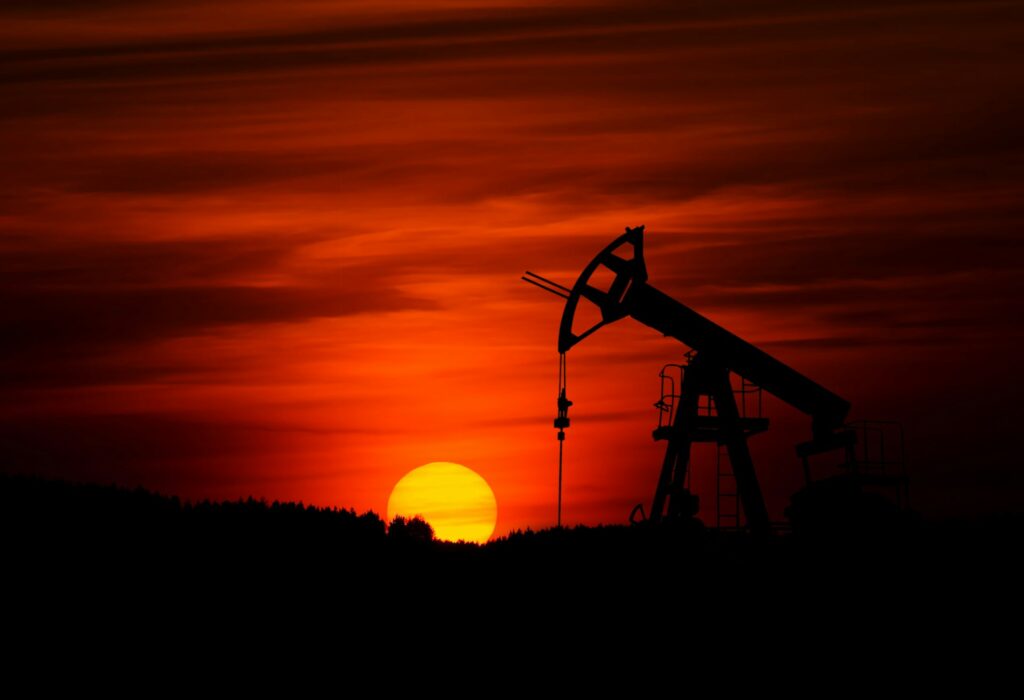
The US and Israel are only 10 days into their war with Iran and not only has the S&P 500 face-planted into negative territory, but oil just topped $100/barrel, levels not seen since 2022 when Russia invaded Ukraine. Those of us who lived through those dark days of 2022 will remember that a sharp rise in the price of oil was one of the biggest drivers of high inflation that year, with the US and Canada hitting 9 and 8 percent that summer. Anytime there is a loss of life from war it is a tragedy and I personally hope both wars end soon. While I can’t control geopolitical events, I can control how I invest, so let’s look at how the Iran war is currently affecting oil prices and our overall portfolios.
Because oil is required to produce anything from food to clothes to laptops, and oil is also needed to transport those items all over the world, when the price of oil goes up, the price of everything else goes up. This is known as inflation, and it is why investors are currently selling their stocks in a panic. When inflation is high, companies tend to post lower earnings, household finances are squeezed, and recession fears loom.
So why have oil prices skyrocketed now?
Basically, most Middle Eastern oil exports – comprising 20% of the world’s oil and liquified natural gas consumption – must go through the Strait of Hormuz, a shipping lane just south of the Iranian border. Most of this oil then goes on to Asian countries like China, India, Japan and South Korea, where it is used to produce foods and goods for Asia and the rest of the world. Iran is currently blocking the Strait of Hormuz by threatening any tankers that sail through it, which has caused Middle Eastern oil producers in Iraq, Kuwait and United Arab Emirates to immediately halt production.
What does that mean for my portfolio?
At this point nobody knows how long the Strait of Hormuz will be closed. The US says they have a plan to destroy Iran’s ability to threaten oil tankers, which could happen in a matter of weeks. If that happens, Middle Eastern oil production could be back up and running asap. The G7 countries have also pledged that they will take “necessary measures” to support global energy supply.
The one thing that we can be sure about though is that the stock market will continue to be volatile. In the last 24 hours oil sky-rocketed to almost $120/barrel overnight, only to come sliding down to $95/barrel. Even the S&P 500 is off its lows of the morning. Instead of trying to time the market by panic selling when everyone else does, the past 24 hours have been a stark reminder that volatility is part of the investing process. It’s just something we need to be comfortable with when building our portfolios for the long-term.
Okay, things are super volatile right now. Should I or wait until things settle down before investing?
While geopolitical risks are scary and I for one hope this war ends tomorrow, we have to remember that today’s stock market volatility is what makes tomorrow’s millionaires. Every time the market dips, it means stocks are on sale – cheaper than they were in January. Back during the high-inflationary bear market of 2022 I took every extra dollar I could muster and threw it into the stock market. And I’m so glad I did, because my portfolio has grown by over 60% since then. If I had waited for things to “settle down”, I would likely still be waiting.
Remember, we are investing for the long term. If you need money to pay your bills, please make sure you have an emergency fund to cover yourself today, before investing in the stock market for tomorrow. That said, this could be a perfect time to start investing if you:
- already have a solid emergency fund
- are confident in your job security
- have a clear vision for why you want to build wealth for your future
- have defined your investment strategy by first taking Vanguard’s investor quiz to see how you handle risk, and you know that you will stay the course and not panic-sell in a market crash
- have a clear plan to buy a broad-based, globally diversified, low-cost index fund like Vanguard All-Equity ETF Portfolio (VEQT) that covers US, Canada and International and invests in thousands of publicly traded companies and multiple sectors, from tech to banking to healthcare to oil & gas (the one sector that is actually doing well right now)
- plan to hold your chosen low-cost index fund for decades
It’s already shaping up to be a rollercoaster of a year. Let’s hope the Iran war ends soon, and a global energy crisis is averted. In the meantime, I’ll be holding my investments and plan to stay the course.
Disclaimer: I am not a financial advisor. None of this is financial advice. I encourage you to do your own research.
Leave a Reply